Exploring Different Baccarat Styles Through Their Gameplay Structures
22 August 2026 | 95
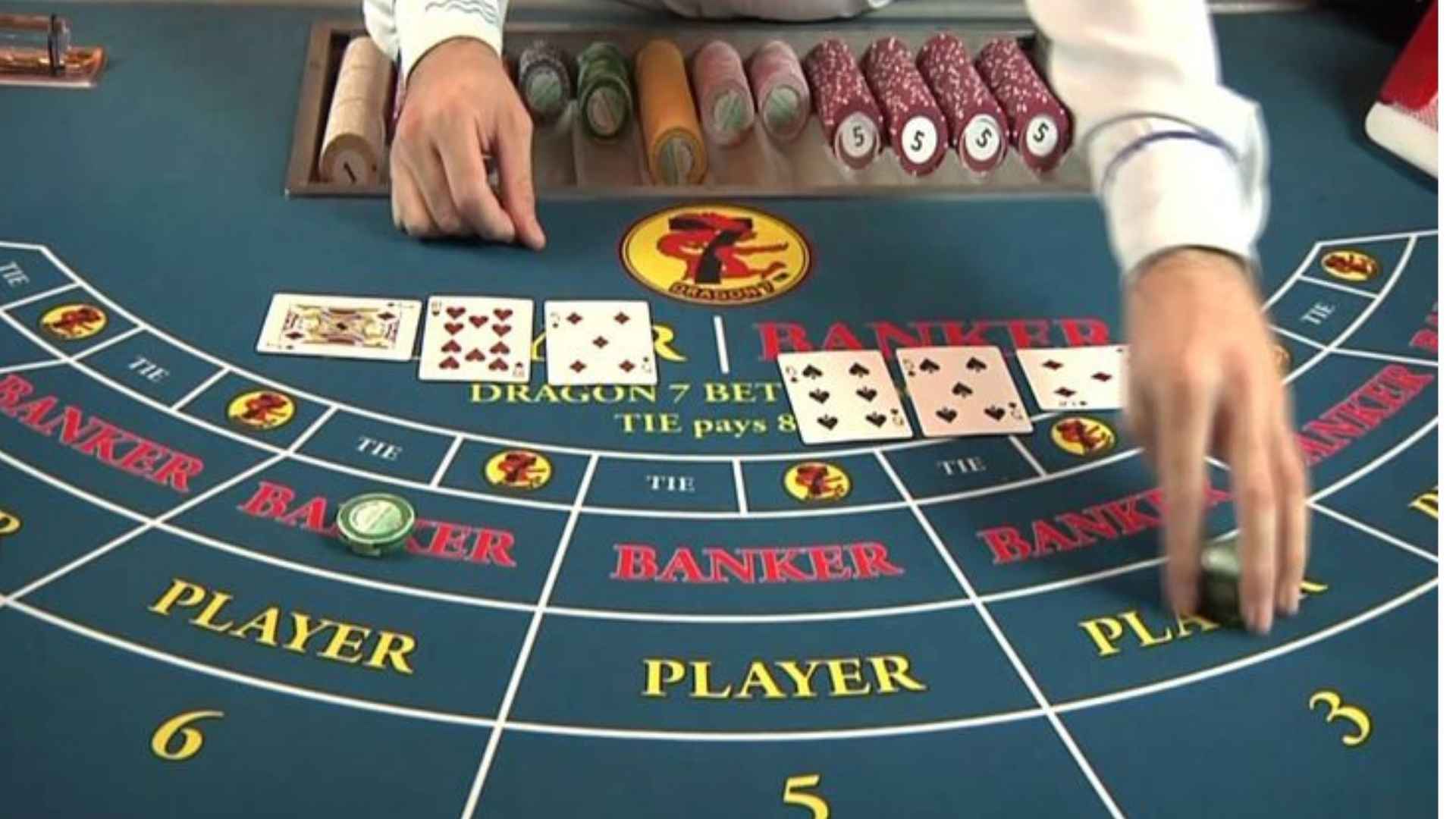
Baccarat is celebrated globally for its elegant presentation and structured table flow. Although the basic goal of comparing hand totals remains identical across all versions, the physical arrangements and player choices differ immensely. Examining how these gaming formats construct their procedural loops offers enthusiasts a deeper understanding of the classic card game.
The Rigid Framework of Fixed Action Tables
The most widespread format found in modern card rooms relies entirely on pre-established drawing regulations. In this environment, neither the participants nor the house staff exercise personal judgment regarding the third card distribution. The entire mechanical flow is determined by the starting card values, which ensures rapid round completions.
This layout is highly favored by casual participants who prefer a straightforward entertainment experience. Because the software handles all complex calculations automatically, players can focus entirely on managing their bankrolls and tracking table history. Platforms like m88 present these highly automated arrangements alongside traditional live dealer configurations for a balanced gaming session.
Active Banking and Player Control Mechanics
In stark contrast to automated options, traditional formats reintroduce tactical autonomy by shifting the financial responsibilities to the participants. In these setups, individuals take turns acting as the table bank and choosing whether to fund active wagers. The cards are dealt face-down, adding a significant layer of suspense to the collection process.
Furthermore, the active participant holds the regulatory option to stand or draw a card when holding specific cumulative scores. This element of choice creates a psychological dynamic missing from standardized digital variations. It fosters an interactive social setting where human decisions directly alter the ultimate outcome of the round.
Divided Table Rules and Multi Hand Distributions
Another classic blueprint utilizes a permanent banking system that maximizes administrative table limits. The primary dealer position is frequently auctioned off to high-stakes veterans who wish to control the capital flow for an extended period. This variation divides the physical layout into two distinct wings, allowing independent sets of cards to be managed simultaneously.
This double-hand setup allows multiple participants to challenge the central bank at the same time using different approaches. The structural complexity requires careful observation and appeals heavily to tactical purists. It remains a fixture in exclusive land-based salons where methodical pacing is preferred over rapid outcomes.
Streamlined Spatial Layouts for Accelerated Turnovers
Modern gaming demands have led to scaled-down versions that preserve core scoring metrics while modifying physical parameters. By utilizing smaller tables and eliminating unnecessary card handling ceremonies, the overall transaction speed increases exponentially. The dealer coordinates all distributions directly, preventing administrative delays from slowing the session.
These compact structures are exceptionally well-suited for digital mobile applications where users prefer brief, high-intensity sessions. The reduced financial entry barriers make it a perfect starting point for developing basic tracking skills. Balancing these spatial and structural parameters ensures that every participant can locate an ideal table dynamic.