Poker Vocabulary Every Final Table Features
30 July 2026 | 133
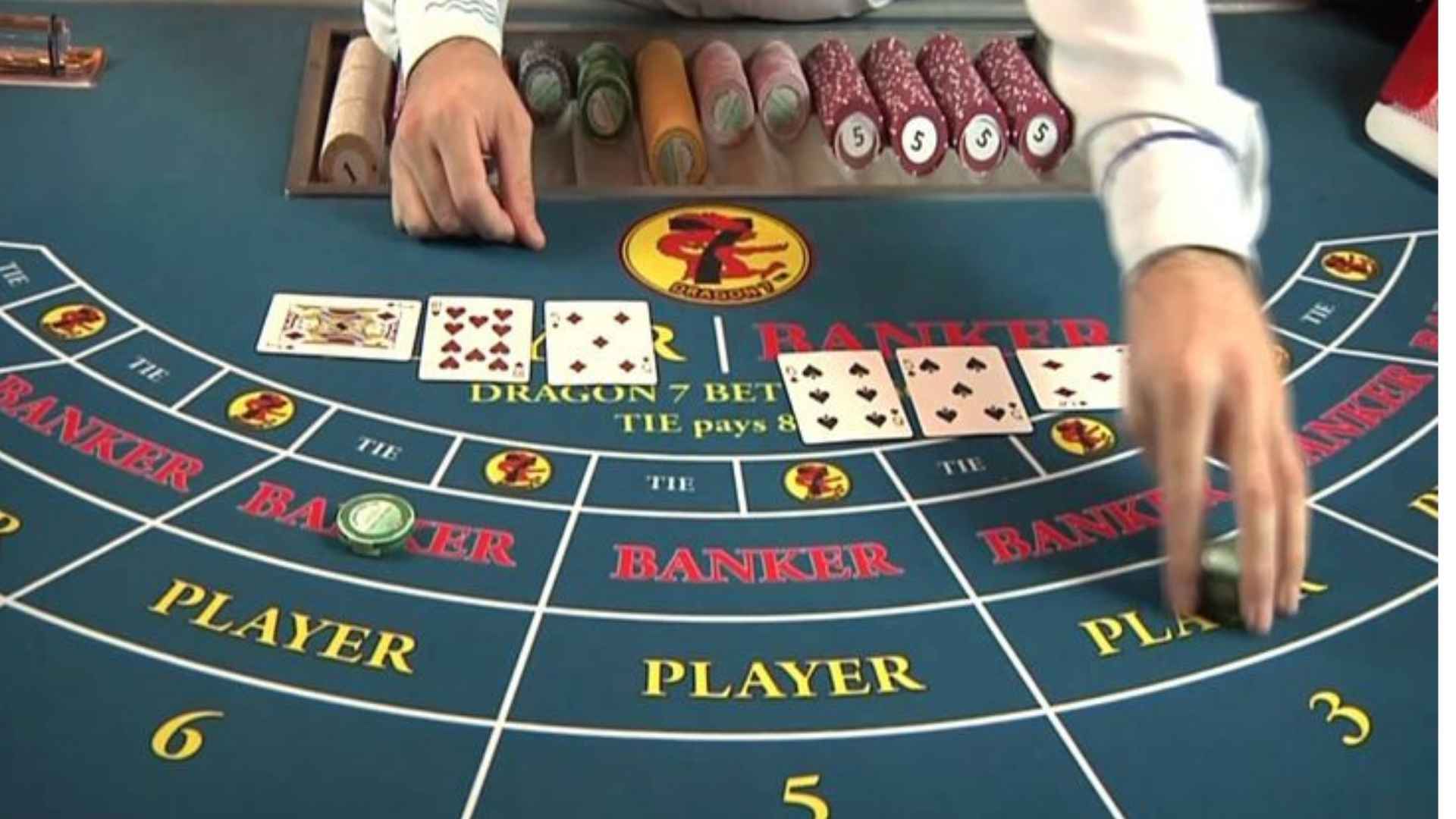
Reaching the final table of a poker tournament is a major achievement that completely alters the dynamics of the game. As the remaining players pull up their chairs for the ultimate showdown, the casual jargon of the early rounds transitions into a highly specialized vocabulary. Understanding these specific terms is crucial for anyone looking to navigate the intense pressure and secure a victory.
The Financial Pressure of ICM
At a final table, chips take on a direct monetary value based on the remaining prize pool payouts. This shift is governed by the Independent Chip Model, universally referred to by competitors simply as ICM. Players must constantly calculate how their real-money equity changes with every survival milestone or elimination.
This financial environment creates massive survival pressure, forcing medium stacks to play much tighter than usual. Meanwhile, massive chip leaders can exploit this hesitation by ruthlessly attacking their opponents. Understanding these structural payout shifts completely reshapes standard opening ranges and defensive strategies.
Navigating the Short Stack Reality
As the blinds escalate, several participants will inevitably find themselves forced into survival mode with limited resources. In tournament lingo, a player holding fewer than fifteen big blinds is designated as a short stack. This desperation forces a shift away from post-flop creativity into a rigid pre-flop mathematical framework.
When resources dwindle to this point, players rely heavily on a push or fold strategy to maximize their fold equity. Finding a reputable platform to study these short-stack dynamics is essential, and utilizing a trusted m88.com login alternatif link can provide the perfect hub to observe real-time tournament tables. Mastering these precise threshold decisions prevents costly errors when your tournament life hangs in the balance.
The Critical Dynamic of Payjumps
Unlike the early stages where survival simply means staying in the game, final table play is dictated by immediate prize increases. These specific steps in the payout hierarchy are known to seasoned tournament veterans as payjumps. The financial difference between finishing in seventh place versus sixth place can often equal several buy-ins.
This structural reality introduces a tactical concept known as laddering, where short stacks actively avoid conflict to let others bust first. Players will intentionally tank on decisions to allow opposing short stacks at other tables to deplete their chips. Recognizing when an opponent is playing purely to ladder up allows aggressive stacks to steal blinds with minimal resistance.
Deal Making and Final Negotiations
Once play reaches the final handful of competitors, the extreme volatility of the blinds often prompts discussions about reducing risk. This process is known as looking at a deal or negotiating a chop of the remaining prize pool. Players will pause the clock to review mathematical models that divide the cash fairly.
The two most common frameworks used during these negotiations are chip chop calculations and ICM-based distributions. While chip chops simply look at the raw number of components, ICM accounts for real survival probability. Understanding these technical negotiation metrics ensures you receive fair value if you decide to mitigate variance at the end.